




The bane of my life is glue: blobs left on tables or smeared across floors. My hubby is very gifted and loves working with timber, but he very rarely finishes anything and leaves plenty of mess. Mix that in with the kids and their arts and crafts and I realized that it's high time we did an article on some simple ways to remove glue in your home. It can feel like a herculean task but if you follow these simple steps you should be fine:
Water Based Glue (Art and Craft Glue, Glue Sticks etc)
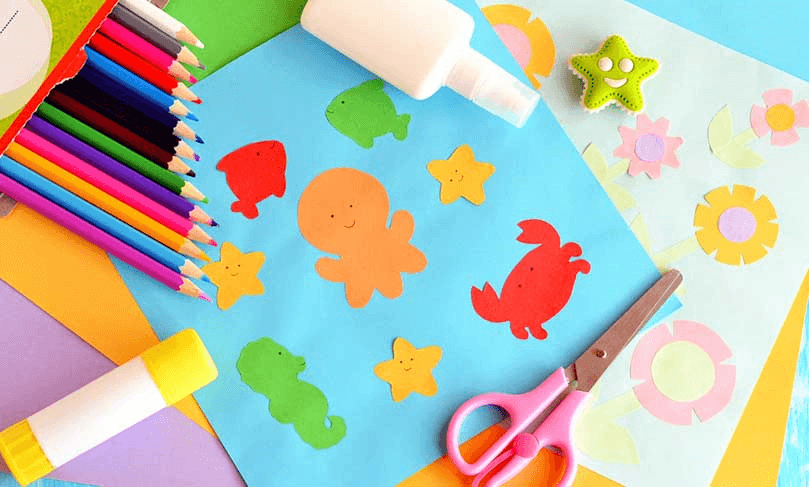
My daughters love arts & crafts. It is a daily thing and means plenty of glue on shirts, tables and books. The glues used in arts & crafts are safe for children, tend to be water based, are non-toxic and should dissolve in water. Here's how to remove water-based glue from any hard surface:
Step One: To prepare, fill a bowl with warm, soapy water. You will also need a sponge or cloth, alcohol or eucalyptus oil and a metal scraper.
Step Two: Dip your sponge or cloth into the warm water and wipe over the affected area until the glue breaks down. If this is proving difficult using either the alcohol or eucalyptus oil to break down the glue will speed things up. Just be careful not to over-apply Eucalyptus oil.
Step Three: Use your metal scraper to remove the remaining glue. Clean the surface with warm water and wipe dry with a towel. If there’s any remaining residue then try a dash more eucalyptus oil on a cloth.
Wood Glue
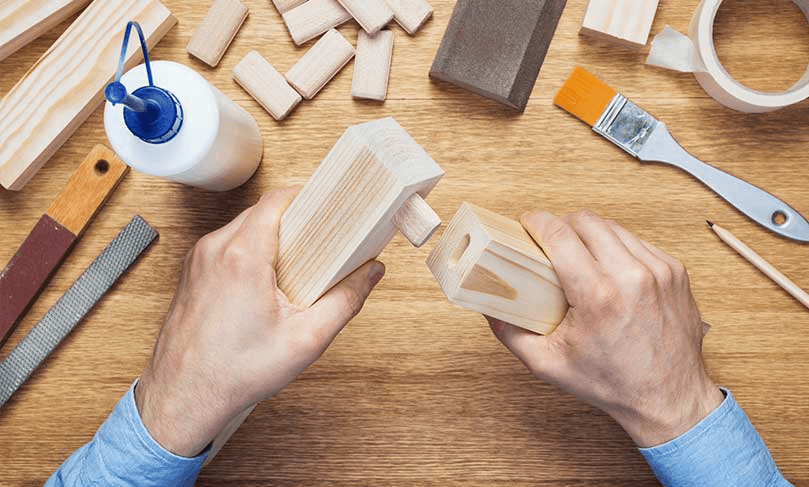
My other half loves working with wood, but he makes one heck of a mess. Here’s the best method I’ve found for getting your home free of wood glue.
Step One: You will need a pair of latex gloves, a plastic undercover and a few thick layers of newspapers, as well as a large bowl, white vinegar and water.
Step Two: In a large bowl, mix vinegar and water with a ratio of 1/3.
Step Three: To remove the glue, you will need to dip your towel or cloth into the solution and wipe directly over the affected areas. Make sure the vinegar solution soaks in and then leave your towel or cloth over the wood for 15 minutes. Eventually, you should find the glue will turn into a liquid form. For thicker set glue and depending on circumstance, you may have to apply twice.
Step Four: I suggest using a clean towel soaked in warm water to wipe down the affected area and then dry with a paper towel. The paper towel should soak up the moisture from the timber.
Super Glue
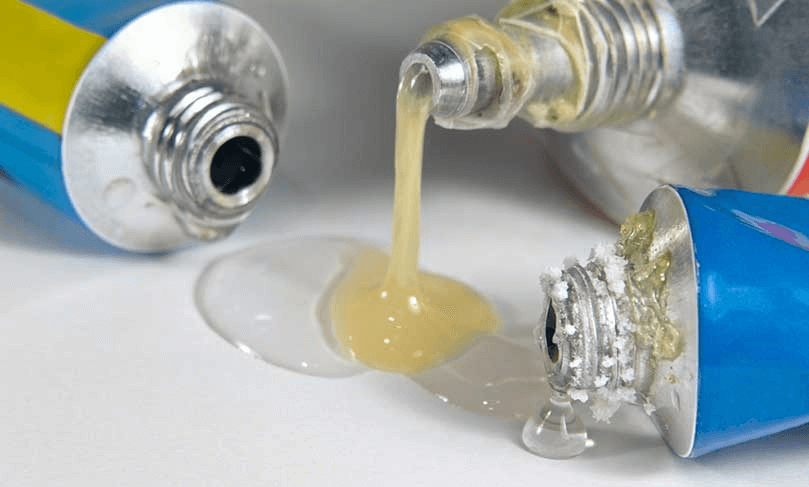
You have seen the commercials: TV hosts suspended in the air, guaranteeing the strength of their incredible super glue for the toughest jobs in the world. It has a tendency to stick to everything including fingers but super glue does have one weakness: acetone.
Step One: You will need acetone which is often found in nail polish remover (although often in a diluted form). A cleaning cloth or cotton wool will come in useful as well as a spatula.
Step Two: Dip your cleaning cloth into acetone, rub the dampened part over the glue. The acetone should lift up the edges. A word of warning – we recommend doing a spot test as acetone is a harsh chemical which should not be used on sensitive skin or delicate surfaces.
Step Three: Use your spatula to remove the glue and then wash the area with warm soapy water to get completely clean. For furniture, we advise a polish with beeswax or olive oil.
Next time you get into a sticky situation you should be able to handle it like a pro!
How To Remove Crayon From Your Carpet
What child doesn't love colouring in? And thanks to crayons they can colour to their hearts’ content.
How To Remove Fruit Juice Stain From Carpet
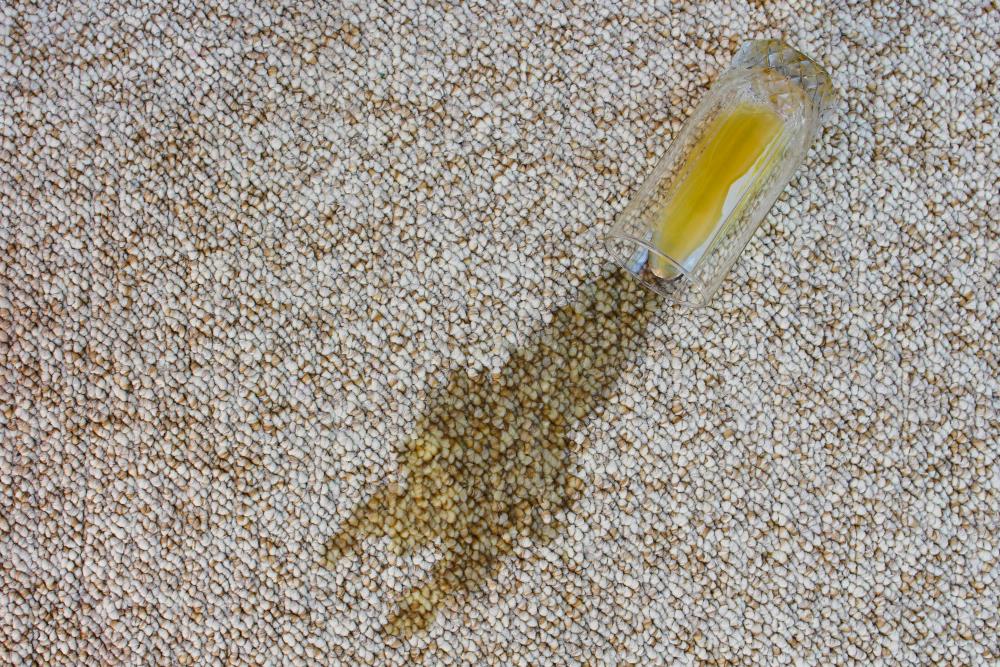
Normally you can remove fresh fruit juice stains from carpet without too much trouble, but it does depend...
SUBSCRIBE TO OUR NEWSLETTER
Sign up for email promotions, tips and special offers.