



Why do we keep buying the same household cleaning products?
Is it habit? The lure of the ‘fragrance’ now included in many products? Or the simple convenience of being able to grab a bottle of whatever you need during your weekly grocery shop?
If you’re looking for ways to use less chemicals in your cleaning routine, essential oils may be the answer. Here are the best oils for cleaning.
Why are Essential Oils Used for Cleaning?
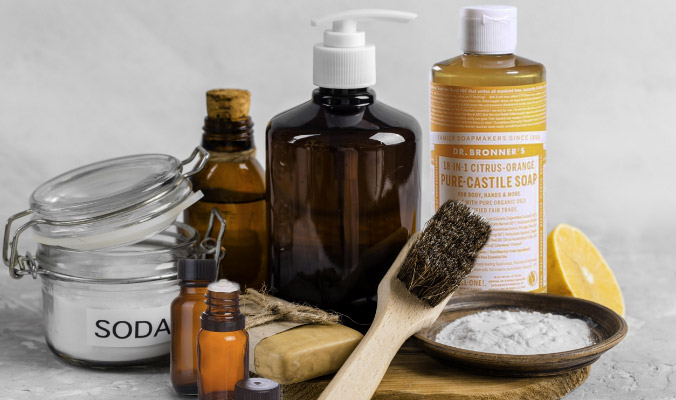
Many pure essential oils have powerful antiseptic and antiviral properties that make them well suited to many chores around the home.
Combined with just one or two other ingredients, you can create a potent and fresh smelling cleaner for a number of household tasks.
What Else You’ll Need
You only need a few extra items in your cleaning arsenal to make your own cleaning products; some you may already have in your kitchen pantry.
- Glass spray bottle (Target or Amazon are your best options)
- White Vinegar
- Isocol (rubbing alcohol)
- Baking Soda
- Castile Soap (liquid)
The 4 Best Essential Oils to Clean With
While you may love the aroma of certain essential oils, not all of them have the antimicrobial and antibacterial properties needed to be an effective cleaner as well.
We’ve done the research for you and included some handy ways to use your essential oil cleaning combinations below.
 Lemon
Lemon
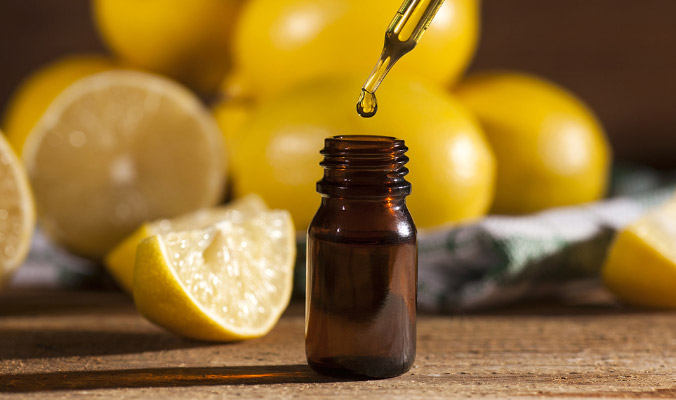
Most citrus-based oils will work here but lemon is my personal favourite. Lemons themselves are useful natural cleaners, so it makes sense this oil, which is usually made by cold-pressing lemons, makes this list.
Lemon has antibacterial properties combined with that fresh and energising scent that just makes your home smell clean.
How To Use Lemon Essential Oil at Home
Clean the microwave. In a microwave-safe bowl, add water and 5 drops of lemon oil. Microwave for a few minutes, carefully remove the bowl and wipe down the interior.
Fridge refresher. Put a few drops of oil onto a cotton ball and put it on the top shelf of the fridge to nix nasty smells.
Freshen up the dishwasher. Sprinkle some baking soda on the base along with 7 drops of lemon oil. Make sure you run the machine empty on a hot cycle.
Tea Tree
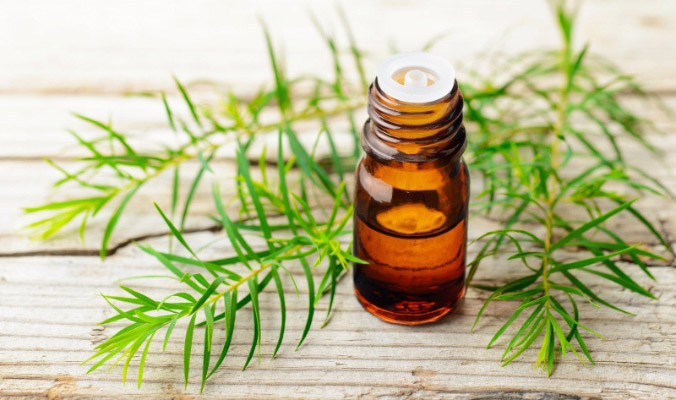
This oil comes from the Australian Melaleuca tree and is both an antimicrobial and antifungal, making it effective against mould and mildew.
It’s a popular option in home recipes for both cleaning and personal use because it’s one of the stronger oils that can target germs and bacteria.
How To Use Tea Tree Essential Oil at Home
Bathroom buddy. A simple mixture of tea tree oil and water in a glass spray bottle makes a great bathroom cleaner on faucets and showerheads. Just 10 drops should do the trick. Add half a cup of vinegar for an extra antifungal kick.
Sink scrubbing. Combine tea tree oil into warm water before scrubbing your sink with it. Sprinkle baking soda into the sink before scrubbing for extra deodorising power. Be thorough with your scrubbing, reaching around the drain to ensure your sink is shiny and clean.
Personal Use. Tea Tree Oil has a range of health and beauty purposes; you can read more about them here.
Lavender
Lavender is fantastic at deodorising but it also possesses antiviral and antibacterial properties. It’s also known as one of the more relaxing scents and effectively promotes more restful sleep.
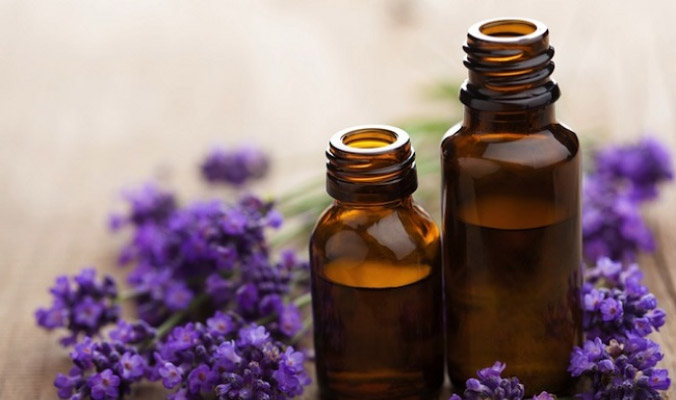
How To Use Lavender Essential Oil at Home
Carpet refresher. Add 10 drops of oil to baking soda and sprinkle on your carpet. Leave for 30 minutes before vacuuming – both baking soda and the oil have deodorising properties and the lavender will make your carpet smell phenomenal.
Sticker remover. Add a few drops to get rid of any residual adhesive from labels.
Scented clothes. Use a face washer or small piece of cloth and put about 10 drops on it. Place the cloth or washer into your drawers to freshen up your clothes.
Relaxing sheets. You just need to add four drops to the machine when you’re next washing your linen to create calming and lovely smelling sheets.
Peppermint
Peppermint oil has antifungal and antibacterial properties so it’s a fantastic addition to any homemade cleaner.
As an extra, peppermint oil’s refreshing scent will invigorate your home, while it can also prevent pests and rodents.
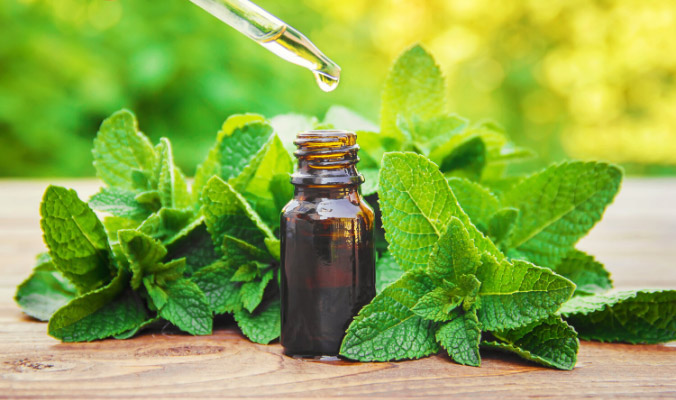
How To Use Peppermint Essential Oil at Home
Window/mirror cleaner. You’ll find a great peppermint shower spray recipe here, which you can also use on your windows. You can replace the vodka with rubbing alcohol and make sure you always use a microfibre cloth to avoid streaking.
Pest repellent. Add a few drops to cotton balls and place them in areas with pest problems. You’ll need to add additional drops every few days.
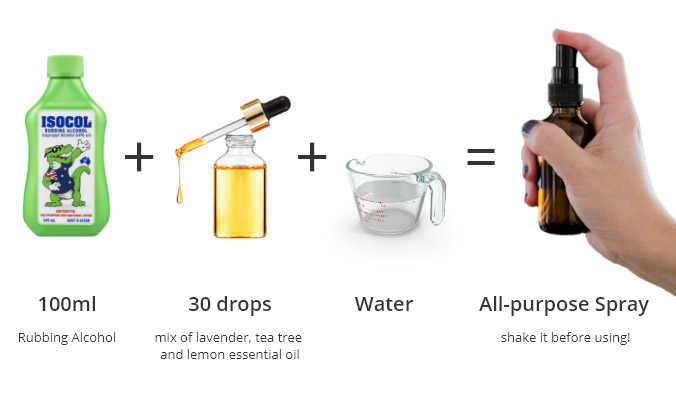
And here’s an added bonus recipe. This all-purpose spray uses 3 of the above oils for optimum effectivity.
All you need is 100mls of rubbing alcohol, 30 drops of essential oil (a mix of lavender, tea tree and lemon will work well) and water. Remember to shake before using.
Some Important Things to Remember
- Use glass spray bottles instead of plastic as essential oils can wear plastic down over time.
- You should always test your mixture on an inconspicuous section first, just to make sure it won’t cause any damage.
- There are some warnings about using certain essential oils if you are pregnant or have certain health conditions. Consult with your doctor or do your own research before using.