




This week’s top 5 is an ugly one.
As mould remediation experts, our technicians see some horrendous mould infestations. But even small contaminations can be challenging.
Below we share the most likely places you’ll find mould in your home and what you can do about it.
What is Mould?
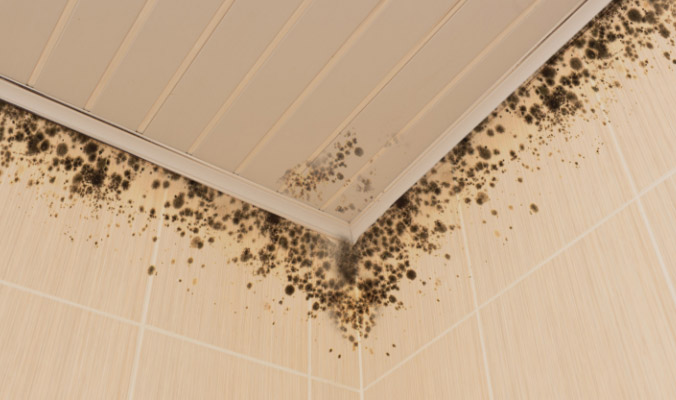
Mould is an organism that thrives in warm and damp environments. It feeds on organic material like carpet backing or wood and colonises until it is big enough to be seen by the naked eye. If you have visible mould in your home, there will be more that you cannot see.
A mould infestation may also be the reason for minor health issues such as itchy eyes, a runny nose, shortness of breath or general lethargy. Mould can also be a respiratory trigger for people who suffer from asthma or allergies.
A quick note before we explore our top 5. Despite what many people think, bleach will not effectively treat mould. It may look like it has, but all it has done is take the colour out of the mould and not treat the living organism.
The Top 5 Places You’ll Find Mould
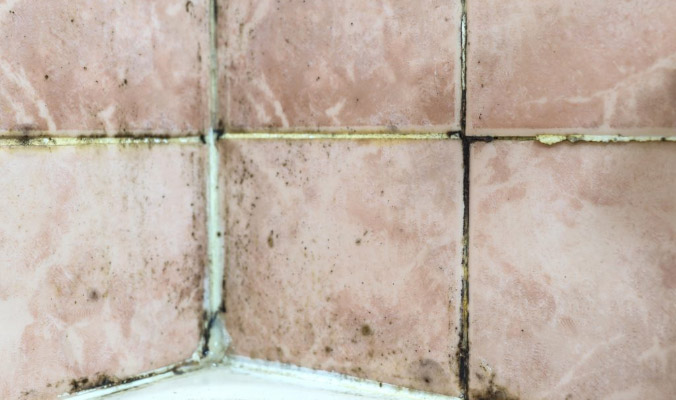
1. Tiles and Grout
Both in the shower recess and bathroom itself, the grout line between your tiles is the most likely place you’ll find mould. This is because your grout absorbs water so well, making it susceptible to microscopic growth.
Keep an eye on the tiles and grout in the rest of your home as well, but your bathroom is usually the problem child here.
One of the main reasons mould in grout lines occurs is because you may be using too much water to clean your floors.
How to Minimise Mould
Reduce how much water you’re using when mopping your tiles. Ideally your floors should be dry a minute or so after you mop it.
For smaller infestations, you can use a baking soda and water combination. Apply the paste to the area, let it sit for at least 30 minutes and scrub away. It will also remove some of the moisture that encourages mould growth.
A 1:1 mix of vinegar can work on sealed grout lines but avoid the tiles themselves on natural tiles like marble, as vinegar’s acidity can etch natural stones over time. It is safe to use vinegar on ceramic and porcelain tiles.
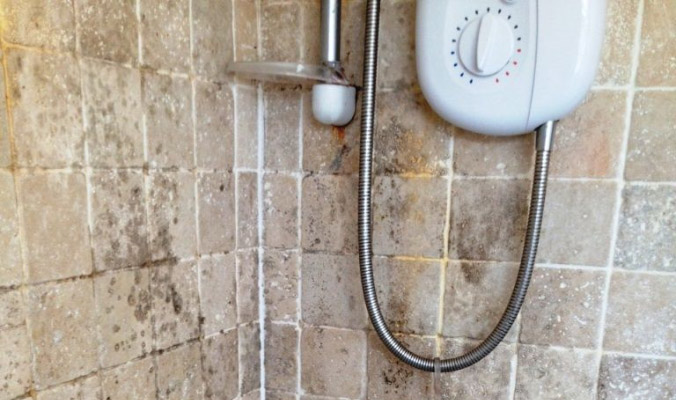
2. Shower
Your long hot shower can create condensation and heat – without proper ventilation, that’s an open invitation for mould to come into your home.
How to Minimise Mould
Open any windows or doors when you can, use a squeegee after your shower and use an exhaust fan. We recommend keeping the exhaust fan running for 10 minutes after your shower.
Diluted vinegar will help prevent and kill mould. We recommend applying it 20 minutes before your shower and rinsing off while showering. Do this weekly for best results.
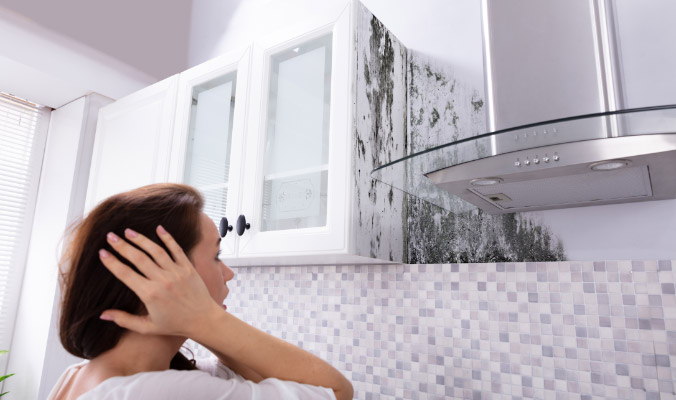
3. Kitchen
There are a few areas of your kitchen where mould prospers.
Mould can grow in your fridge when fresh food perishes and recolonise in other areas of the refrigerator. It can be found under the sink or in cupboards, particularly if you’ve got leaky plumbing. It’s also likely to appear in the area above the stove and oven, due to the high level of moisture and heat created during cooking.
How to Minimise Mould
Use exhaust fans and/or open windows while cooking, clean your fridge often and regularly check cabinets and cupboards for mould infestations you can get on top of easily. You should also be cleaning your cupboards with a diluted vinegar mixture occasionally, too.
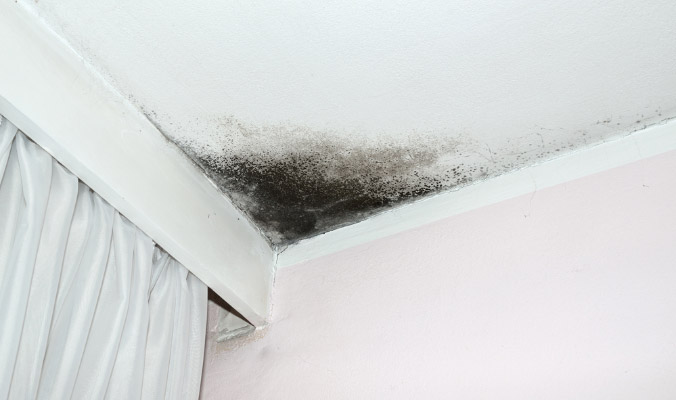
4. Corners and Wardrobes
Check in your wardrobes and corners (especially hidden ones) for signs of mould. These infestations are usually caused by rain that has gotten in through the ceiling or poor insulation. Darkness and humidity exacerbate the problem, creating mould!
How to Minimise Mould
We recommend using a dehumidifier or the water drop setting on your air conditioner to reduce the humidity in the air. You could also invest in Damp-Rid, which is handy in dark corners or wardrobes.
You should also make sure you’re opening up windows (and your wardrobes) as much as you can.
Keep an eye on your carpets as well for any signs of mould.
5. Bathroom Objects
This is one you may not have thought of. As a mould hotspot, it makes sense that items in your bathroom can also be prone to microscopic growth.
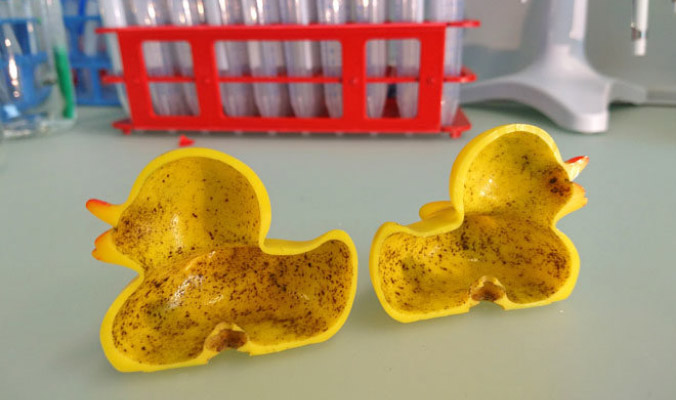
You should be cleaning items like the bottoms of shampoo bottles, loofahs, bath toys and your toothbrush holder.
How to Minimise Mould
Next time you are cleaning your bathroom, remember to wipe down the bases of bottles and soap dishes with diluted vinegar. You should also be sterilising bath toys every couple of weeks and replacing loofahs often.
It’s also a great idea to put your toothbrush holder through the dishwasher fortnightly.
Please note, significant mould growth will require professional remediation. While you need to still identify the reason that the mould infestation occurred in the first place, a professional can remove your mould and restore your indoor air to healthier levels.
Give the Electrodry team a call today to discuss your mould issue. Don't forget to chat to our teams about our carpet cleaning expertise, too.